Empowering Seniors: Essential Cancer Care Strategies for Healthy Aging
Navigating the often turbulent waters of cancer care can be daunting, especially for seniors who may already face various health challenges. How does one advocate effectively for themselves or their loved ones amid an ocean of medical jargon and treatment options? Well, it begins with a solid foundation of understanding. Cancer care is not just about combating a malignancy; it's a holistic journey—one that intertwines advocacy, patient support, and a strong community focus. As we empower seniors in this crucial chapter of their lives, our goal is to facilitate healthy aging through vital cancer support systems.
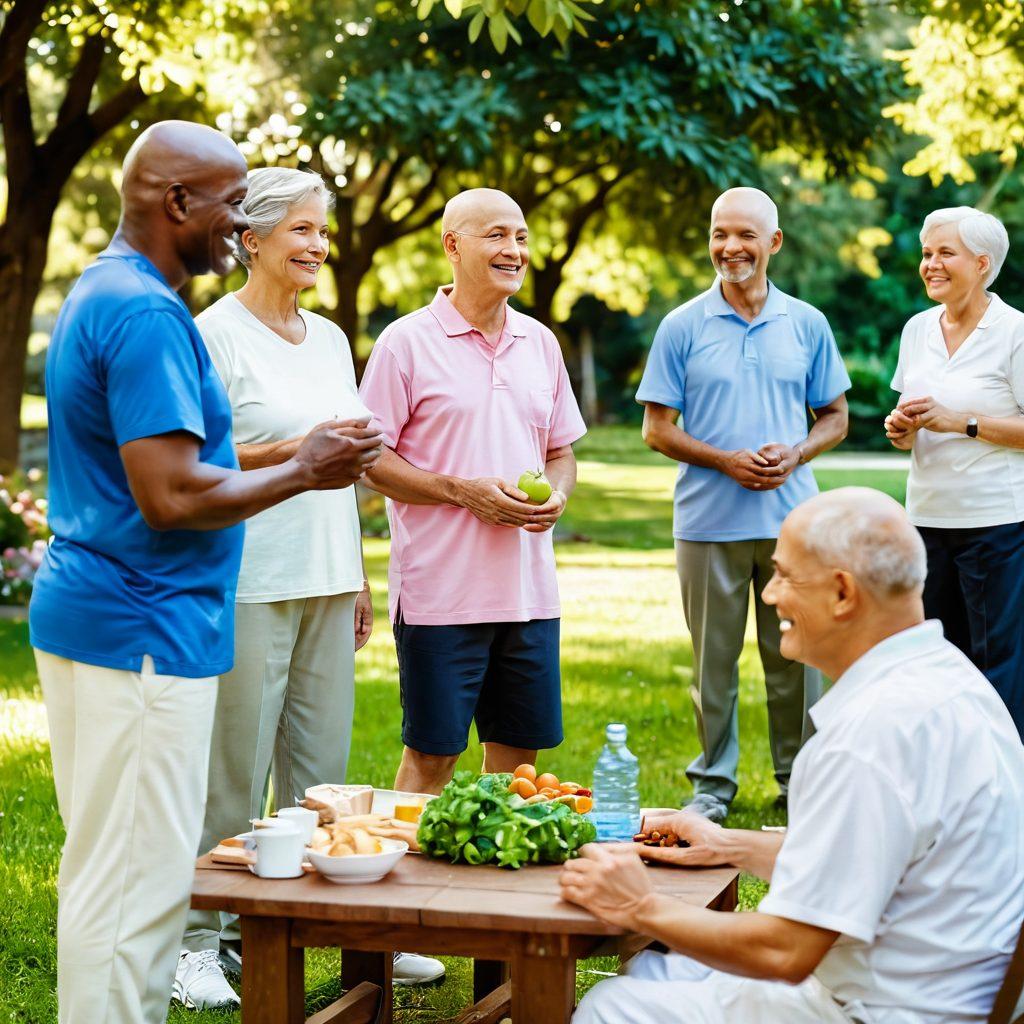
Imagine a world where seniors feel equipped to handle every aspect of their health, including navigating complex oncology treatments. This vision can be a reality when we merge health education with community support. For many people dealing with a carcinoma or tumor, emotional support is as essential as physical treatment. Picture this: a support group where laughter mingles with tears, where shared stories of survivorship ignite the hope that fuels coping strategies and resilience. In this way, together, we can combat feelings of isolation that often accompany a cancer diagnosis.
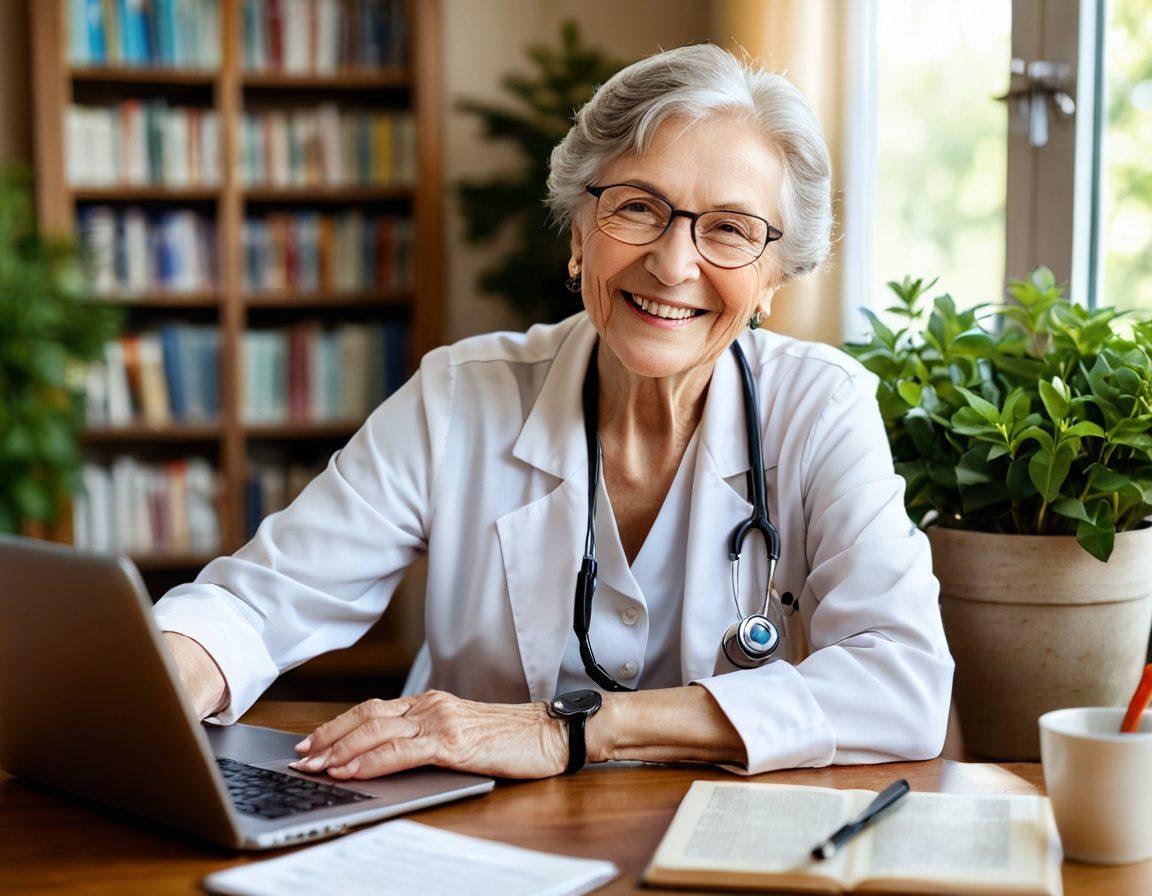
But what are some actionable steps seniors can take to advocate for their well-being? It starts with early detection and consistent preventive measures. Seniors should regularly consult with their healthcare providers about screening information that pertains to their individual risk factors, including family support systems that can amplify the message of the importance of regular check-ups. Each doctor's appointment serves as an opportunity to engage in healthful discussions about treatment options and the latest research in cancer care. Inviting family members into these sessions can transform the experience from a clinical rendezvous into a collaborative effort aimed at senior wellness.
Furthermore, nourishment plays a crucial role in overall health maintenance, particularly in strengthening our bodies against malignancies. Engaging in lifestyle changes such as a balanced diet, physical activity, and mindfulness practices can always bolster the immune system. As the saying goes, "You are what you eat"—but it also holds that you can become more than that by making informed lifestyle choices. Education about nutrition can start at home, utilizing collective knowledge to reinforce healthy habits amongst seniors and their families alike.
Ultimately, navigating cancer care is a multifaceted experience, but with the right resources for seniors—whether that’s through cancer advocacy groups, informational resources, or family engagement—seniors can be empowered to take charge of their health journey. In this supportive framework, it’s not just about enduring treatment; it’s solely about cultivating well-being, enhancing survivorship, and reaching out for that fulcrum of emotional and community support. So, I ask you, how can we all contribute to this vital process of caring for our elders?
Holistic Health Approaches: Nourishment and Mindfulness in Tumor Treatment
As the golden years approach, the focus on health and well-being becomes a paramount concern for seniors and their families alike. While retirement often represents a time for leisure and enjoyment, it also introduces new health challenges, particularly when it comes to managing serious conditions like cancer. With the prevalence of malignancies such as carcinoma on the rise, empowering seniors with essential cancer care strategies is more critical than ever. Have you ever thought about how nourishment and mindfulness can work hand-in-hand in the journey of cancer care? Let's delve into these holistic health approaches that could significantly enhance the quality of life for our beloved seniors.
Picture this: A sunny afternoon, a gentle breeze, and an elderly man named Harold sitting on his porch, pondering the health choices he has made. After his diagnosis of a tumor two years ago, he often reflects on his treatment journey. While conventional oncology treatments provided the necessary medical intervention, Harold discovered that integrating holistic health practices, such as nutritious diet choices and mindfulness exercises, played a pivotal role in his survivorship. This dual approach not only fortified his body but nurtured his spirit. Can we begin to see the transformative power of mindful living and a nourishing diet in cancer care?
Nourishment is more than just consuming food; it’s about making conscious choices that boost our body’s defenses and well-being. For seniors, diet plays a critical role in cancer care. Incorporating a colorful variety of fruits and vegetables, whole grains, and lean proteins can provide essential nutrients that fortify the body against carcinogens and support overall health. Research shows that a strong immune system and proper nourishment can dramatically impact treatment outcomes and recovery. Wouldn’t it be wonderful to empower seniors to embrace healthy recipes that not only tantalize the taste buds but also bolster their health?
Turning to the practice of mindfulness, it’s clear that emotional support and mental well-being are just as crucial as physical health in managing cancer. Mindfulness, the art of staying present and engaging fully in the moment, offers powerful coping strategies, allowing seniors to navigate the emotional rollercoaster that cancer often brings. Techniques such as meditation, deep breathing, and guided imagery can help reduce anxiety and promote emotional support, enabling seniors to find peace amidst the chaos of treatment. How can we foster an environment where mindfulness becomes a shared practice among seniors and their families?
To truly empower our seniors, community support and access to resources for seniors must play an integral role. Whether it’s through cancer advocacy groups, family support systems, or health education initiatives, fostering connections can enhance their cancer care experience. Early detection and screening information are vital, ensuring seniors are well-informed about necessary preventive measures. By creating a repository of informational resources, we can help seniors confidently navigate their treatment options. So, how can we, as a community, rally together to ensure that our elderly not only survive cancer but thrive in their well-being during these challenging times?
Empowering Seniors Through Education: Early Detection and Palliative Strategies for Healthy Aging
When it comes to healthy aging, knowledge is power—especially for seniors navigating the complex world of cancer care. With various malignancies affecting the elderly population, it becomes crucial to focus on education surrounding early detection and effective treatment options. Imagine this: a senior sits down with a cup of herbal tea, reflecting on their health journey, armed with the right information to address the hurdles of cancer. Isn’t it inspiring to think that education can empower those who find themselves battling carcinoma or a tumor?
The role of health education cannot be overstated. Studies show that seniors who are informed about cancer screening information and treatment options are much more proactive about their health. Early detection can make all the difference, allowing families to tackle malignancy head-on. For instance, a simple blood test can signal potential issues before they escalate, and when accompanied by supportive care and emotional support, it transforms patient support into a community-wide initiative. Have you had discussions with your loved ones about the importance of preventive measures like screenings or lifestyle changes?
In the realm of cancer care, palliative care is often misunderstood. It’s not merely about end-of-life strategies; rather, it encompasses what we like to term as holistic health—extending comfort and quality of life during treatment, helping to manage symptoms, and enhancing senior wellness. Think of it as a supportive care system that wraps around the patient, providing nourishment for both the body and the spirit. Research tells us that integrating coping strategies such as mindfulness into a cancer care regimen can significantly improve a senior's mental health. Wouldn't it be comforting to know that emotional and family support can play pivotal roles in this journey?
Survivorship is another essential element that needs more visibility. Seniors often find themselves in uncharted territory after a cancer diagnosis, full of questions and uncertainties. Engaging in community support groups can be incredibly beneficial. They not only offer informational resources but also the chance to hear stories from fellow survivors, creating a tapestry of hope and resilience. What if every senior had access to such transformative networks? Support isn’t just about physical care; it's about cultivating well-being in times of distress.
Lastly, it’s essential to recognize that education on cancer advocacy is key to fostering senior empowerment. Retiree health can thrive through the collective efforts of communities, caregivers, and family members focused on sharing knowledge and resources for seniors. So let’s challenge ourselves—how can each of us contribute to the education and support landscape surrounding cancer care for our loved ones? By embracing this holistic approach, we can lead the charge towards not just surviving cancer, but truly living amidst it.